By KHarmse on January 12, 2011
Phosphatidic Acid Is a pH Biosensor That Links Membrane Biogenesis to Metabolism
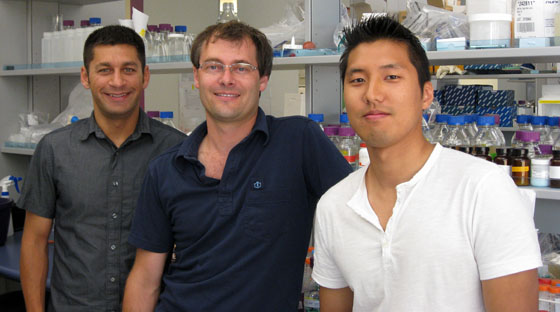
Authors: Barry Young, John Shin, Jesse Chao, Shu Chen Li, Xue Li Guan, Anthony Khong, Eric Jan, Markus R. Wenk, William A. Prinz, Gertien J. Smits, Christopher Loewen. Christopher Loewen Lab, Cell & Developmental Biology Research Group, Department of Cellular & Physiological Sciences.
Published in Science. Vol. 329 no. 5995 pp. 1085-1088 DOI: 10.1126/science.119102
Abstract: Recognition of lipids by proteins is important for their targeting and activation in many signaling pathways, but the mechanisms that regulate such interactions are largely unknown. Here, we found that binding of proteins to the ubiquitous signaling lipid phosphatidic acid (PA) depended on intracellular pH and the protonation state of its phosphate headgroup. In yeast, a rapid decrease in intracellular pH in response to glucose starvation regulated binding of PA to a transcription factor, Opi1, that coordinately repressed phospholipid metabolic genes. This enabled coupling of membrane biogenesis to nutrient availability.
Posted in Slideshow
By Neera Vohra on January 12, 2011
 Proteome-wide Analysis of Protein Carboxy Termini: C-Terminomics
Authors: Oliver Schilling, Olivier Barré, Pitter F. Huesgen, Christopher M. Overall. Lab of Christopher M. Overall, Centre for Blood Research (CBR), Department of Oral Biological & Medical Sciences
Published in Nature Methods 7, 508-511 (2010). doi:10.1038/nmeth.1467
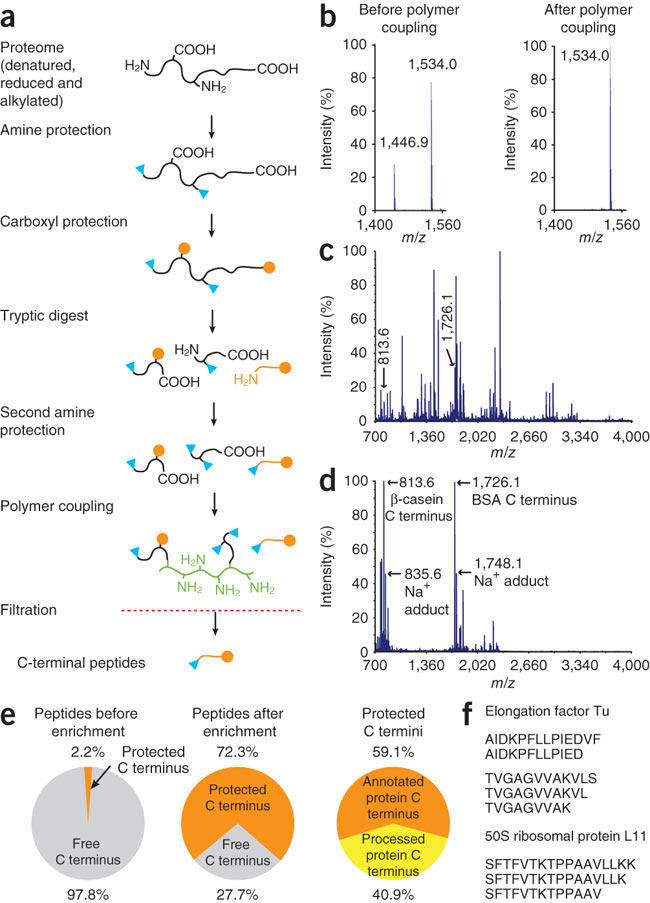
ABSTRACT: Enrichment of protein carboxy-terminal peptides by negative selection. Chemical modification of free amino- and carboxy-groups before tryptic digest allows selective polymer-based removal of protein internal peptides. This new method provides access to protein carboxy-termini on a system-wide scale, enabling analysis of proteolytic processing and other modifications at protein carboxy-termini in health and disease.
We describe a method for the enrichment of protein carboxy terminal peptides. With this method, protein carboxy termini can be studied on a system-wide scale by mass-spectrometry. This allows us to analyze proteolytic processing events that we could not study before, e.g. carboxypeptidase activity, and may also help to identify yet unknown modifications at protein carboxy termini.
Posted in Slideshow
By Neera Vohra on January 12, 2011
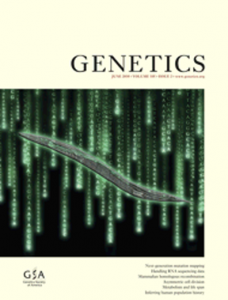
Whole-Genome Profiling of Mutagenesis in Caenorhabditis elegans
Authors: Stephane Flibotte, Mark L. Edgley, Iasha Chaudhry, Jon Taylor, Sarah E. Neil, Aleksandra Rogula, Rick Zapf, Martin Hirst, Yaron Butterfield, Steven J. Jones, Marco A. Marra, Robert J. Barstead and Donald G. Moerman. Lab of Donald Moerman, Cell & Developmental Biology Research Group, Department of Zoology.
Published in Genetics; Volume: 185; June 2010; Pages: 431-441  doi:10.1534/genetics.110.116616
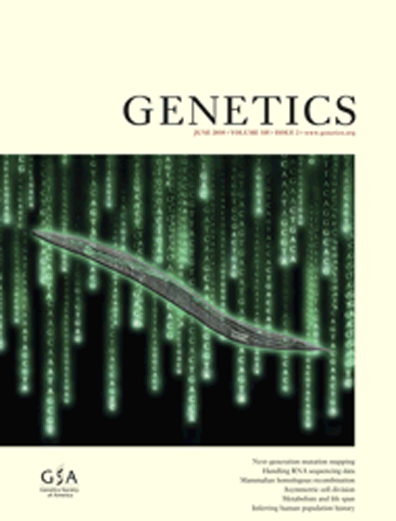
Abstract: Massively parallel short read sequencing technologies portend a revolution in genetic analysis and discovery. In Sarin et al. (Genetics vol 185 pp. 417–430) and Flibotte et al. (Genetics vol 185 pp. 431–441), this technology is used to describe, in exquisite and unprecedented detail, changes throughout the genome after mutagenesis in the nematode Caenorhaditis elegans. Image designed by Aleksandra Rogula, one of the authors.
Posted in Slideshow
By Neera Vohra on January 12, 2011
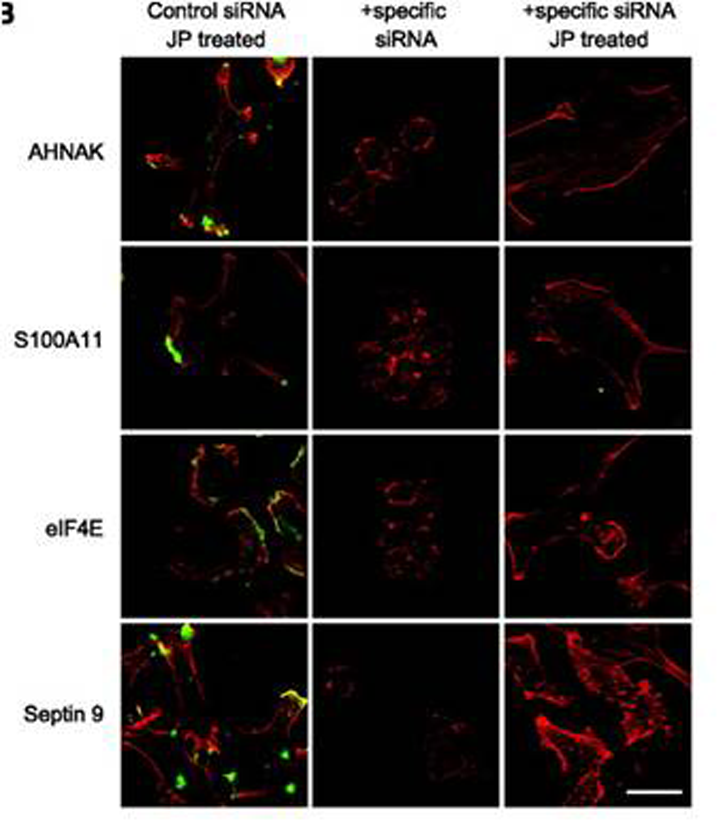 Pseudopodial actin dynamics control epithelial-mesenchymal transition in metastatic cancer cells.
Authors: Jay Shankar, Anat Messenberg, Jackie Chan, T.M. Underhill, L.J. Foster, and I.R. Nabi. Lab of Ivan R. Nabi, Cell & Developmental Biology (CELL) Research Group, Department of Cellular & Physiological Sciences.
Published in Cancer Res May 1, 2010 70; 3780 doi: 10.1158/0008-5472.CAN-09-4439
Abstract: A key cellular process associated with the invasive or metastatic program in many cancers is the transformation of epithelial cells toward a mesenchymal state, a process called epithelial to mesenchymal transition or EMT. Actin-dependent protrusion of cell pseudopodia is a critical element of mesenchymal cell migration and therefore of cancer metastasis. However, whether EMT occurs in human cancers and, in particular, whether it is a prerequisite for tumor cell invasion and metastasis, remains a subject of debate. Microarray and proteomic analysis of actin-rich pseudopodia from six metastatic human tumor cell lines identified 384 mRNAs and 64 proteins common to the pseudopodia of six metastatic human tumor cell lines of various cancer origins leading to the characterization of 19 common pseudopod-specific proteins. Four of these (AHNAK, septin-9, eIF4E, and S100A11) are shown to be essential for pseudopod protrusion and tumor cell migration and invasion. Knockdown of each of these proteins in metastatic cells resulted in reduced actin cytoskeleton dynamics and induction of mesenchymal-epithelial transition (MET) that could be prevented by the stabilization of the actin cytoskeleton. Actin-dependent pseudopodial protrusion and tumor cell migration are therefore determinants of EMT. Protein regulators of pseudopodial actin dynamics may represent unique molecular targets to induce MET and thereby inhibit the metastatic potential of tumor cells. Cancer Res; 70(9); OF1–11.
Posted in Slideshow
By Neera Vohra on January 12, 2011
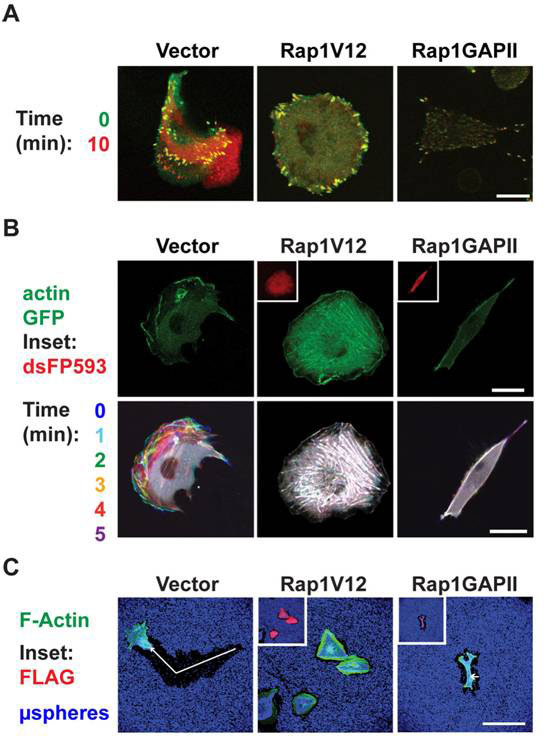 Preventing the Activation or Cycling of the Rap1 GTPase Alters Adhesion and Cytoskeletal Dynamics and Blocks Metastatic Melanoma Cell Extravasation into the lungs.
Authors: Spencer Freeman, Sarah McLeod, Janet Dukowski, Pamela Austin and Crystal Lee. Labs of Mike Gold and Calvin Roskelley, Infection, Inflammation & Immunity (I3) and Cell and Developmental Biology (CELL) Research Groups, Departments of Microbiology & Immunology and Cellular & Physiological Sciences.
Published in Cancer Res June 1, 2010 vol. 70 no. 11 4590-4601 doi: 10.1158/0008-5472.CAN-09-3414
Abstract: This study elucidates a small GTPase-regulated pathway required for cancer cells to undergo critical steps involved in tumor metastasis, specifically their ability to migrate across endothelial cell layers, exit the vasculature, and invade the underlying tissue.
Posted in Slideshow
By Neera Vohra on January 12, 2011
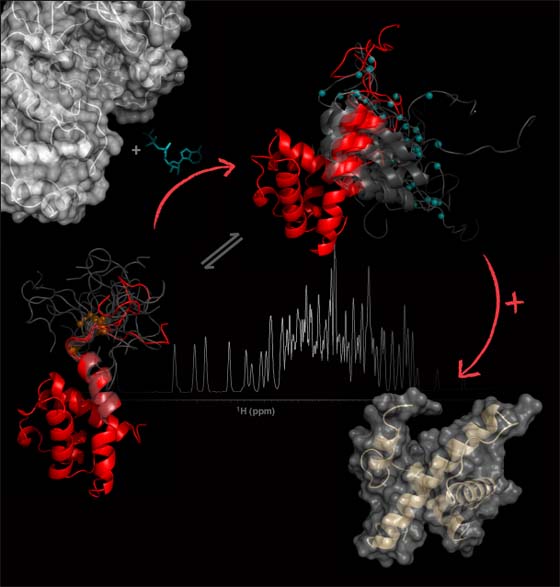
Ras signal requires dynamic properties of Ets1 for phosphorylation-enhanced binding to co-activator CBP
Authors: Mary L. Nelson, Hyun-Seo Kang, Gregory M. Lee, Adam G. Blaszczak, Desmond K. W. Lau, Lawrence P. McIntosh, and Barbara J. Graves
Published in Proc Natl Acad Sci U S A. 2010 Jun 1;107(22):10026-31 doi: 10.1073/pnas.0915137107
Abstract: Ras/MAPK signaling is often aberrantly activated in human cancers. The downstream effectors are transcription factors, including those encoded by the ETS gene family. Using cell-based assays and biophysical measurements, we have determined the mechanism by which Ras/MAPK signaling affects the function of Ets1 via phosphorylation of Thr38 and Ser41. These ERK2 phosphoacceptors lie within the unstructured N-terminal region of Ets1, immediately adjacent to the PNT domain. NMR spectroscopic analyses demonstrated that the PNT domain is a four-helix bundle (H2-H5), resembling the SAM domain, appended with two additional helices (H0-H1). Phosphorylation shifted a conformational equilibrium, displacing the dynamic helix H0 from the core bundle. The affinity of Ets1 for the TAZ1 (or CH1) domain of the coactivator CBP was enhanced 34-fold by phosphorylation, and this binding was sensitive to ionic strength. NMR-monitored titration experiments mapped the interaction surfaces of the TAZ1 domain and Ets1, the latter encompassing both the phosphoacceptors and PNT domain. Charge complementarity of these surfaces indicate that electrostatic forces act in concert with a conformational equilibrium to mediate phosphorylation effects. We conclude that the dynamic helical elements of Ets1, appended to a conserved structural core, constitute a phospho-switch that directs Ras/MAPK signaling to downstream changes in gene expression. This detailed structural and mechanistic information will guide strategies for targeting ETS proteins in human disease.
Posted in Slideshow
By Neera Vohra on January 12, 2011

UBC graduate student finds ‘start/stop switch’ for retroviruses
Published in Nature, February 2010, doi:10.1038/nature08858
Danny Leung. Lab of Dr. Matt Lorincz, Molecular Epigenetics Research Group, Department of Medical Genetics.
A UBC doctoral candidate has discovered a previously unknown mechanism for silencing retroviruses, segments of genetic material that can lead to fatal mutations in a cell’s DNA. The findings, published today in the journal Nature, could lead to new cancer treatments that kill only tumour cells and leave healthy surrounding tissue unharmed.
Posted in Slideshow
By KHarmse on January 11, 2011
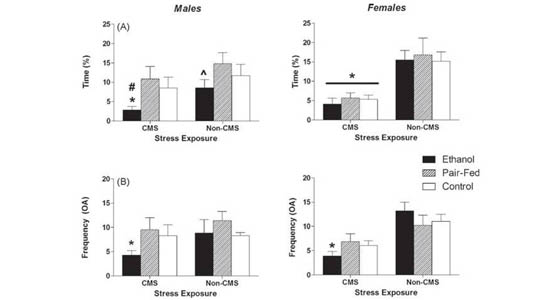 Prenatal alcohol exposure: Fetal programming and later life vulnerability to stress, depression and anxiety disorders.
Authors: Kim Hellemans, Joanna Sliwowska, Pamela Verma and Joanne Weinberg. Lab of Joanne Weinberg, Cell & Developmental Biology (CELL) Research Group, Department of Cellular & Physiological Sciences
Published in Neuroscience and Biobehavioral Reviews Volume34, Issues 6, May 2010, Pages 791-807 doi:10.1016/j.neubiorev.2009.06.004;
Abstract: Children with fetal alcohol spectrum disorder (FASD) exhibit cognitive, neuropsychological and behavioral problems, and numerous secondary disabilities including depression and anxiety disorders. Dysregulation of the hypothalamic–pituitary–adrenal (HPA) axis is common in depression/anxiety, reflected primarily in increased HPA tone or activity. Prenatal alcohol exposure (PAE) increases HPA tone and results in HPA dysregulation throughout life, paralleling many of the HPA changes in depression/anxiety. We review data demonstrating altered HPA function and increased depression/anxiety in FASD. In the context of the stress-diathesis model, we discuss the hypothesis that fetal programming of the HPA axis by PAE alters neuroadaptive mechanisms that mediate the stress response, thus sensitizing the organism to stressors encountered later in life, and mediating, at least partly, the increased vulnerability to depression/anxiety disorders. Furthermore, we present evidence demonstrating sex-specific alterations in both hormonal and behavioral responsiveness to tasks measuring depressive- and anxiety-like behaviors in PAE offspring. Overall, the research suggests that the stress-diathesis model provides a powerful approach for elucidating mechanisms underlying the increased vulnerability to mental illness among individuals with FASD, and developing appropriate treatments for these individuals. Dr. Seymour Levine’s seminal work on the long-term consequences of early life experiences formed a framework for the development of the research described in this review.
Keywords: HPA axis; Prenatal ethanol; Depression; Behavior; Animal models; Rat; Fetal programming; Fetal alcohol spectrum disorder
Posted in Featured, Slideshow
By KHarmse on January 11, 2011
 CSI at the LSI is the equivalent of combining your favorite CSI TV show and a murder mystery all in one. High school students are invited to explore science through this annual outreach activity designed by the UBC Life Sciences Institute-Graduate Student Association (LSI-GSA) and UBC Post-Doctoral Association (UBC-PDA).
Drs. Caylib Durand and Santiago Ramón-García are changing the way scientific outreach is done. While completing his PhD at UBC’s Life Sciences Institute, Caylib acknowledged that there are many limitations in bringing science to a traditional classroom, but bringing the students into the laboratory where science occurs daily is a far more rewarding experience and a more effective approach. Teaming up with former Post Doctoral Fellow, Santiago, and former members of the LSI-GSA, Sarah Cohen, Meaghan Jones, Stephanie Mancini, Jenna Riffell, Amanda Starr, and Kathryn Westendorf, they created the annual outreach activity “CSI at the LSI”.
The story line tells us that there has been a murder and many suspects have their reasons. Students are then invited to perform real scientific experiments to collect evidence. They work their way through techniques such as DNA and protein analysis, electron microscopy or mass spectroscopy to eliminate suspects one by one. By the end of the day, the “student crime scene investigators” are able to identify and capture the murderer.
Recently, Dr. Durand and Dr. Ramón-García received news that the “CSI at the LSI” program was accepted for publication in the Journal of Microbiology and Biology Education. Exciting news since it will allow other scientific institutions to adopt this animated and interactive outreach activity.
Posted in Featured, Slideshow |
By smuni on January 11, 2011
 Modulation of Salmonella Gene Expression by Subinhibitory Concentrations of Quinolones
Authors: Grace Yim, JoAnn McClure, Michael G. Surette, Julian Davies. Lab of Julian Davies, Chemical Biology of Disease Research Group, Department of Microbiology and Immunology
Published in The Journal of Antibiotics (2011) 64, 73–78; doi:10.1038/ja.2010.137
Abstract: Approximately 2.7% of a collection of Salmonella enterica var. Typhimurium promoter-lux reporter strains showed altered transcriptional patterns when exposed to low concentrations of nine different fluoroquinolone antimicrobials. Even at the subinhibitory concentrations employed, all nine fluoroquinolones up-regulated genes involved in the SOS response, umuD, lexA, sbmC and dinP. Using the Ames test with Salmonella strain TA102, increased mutagenicity was demonstrated in response to all the fluoroquinolones tested: ciprofloxacin, moxifloxacin, levofloxacin and gatifloxacin. Such responses are consistent with the primary mechanism of action of this class of inhibitor, namely, the introduction of DNA damage. This work provides support for the notion that small molecules can have functions other than growth inhibition that may affect the establishment and maintenance of community dynamics in complex environments.
Posted in Slideshow