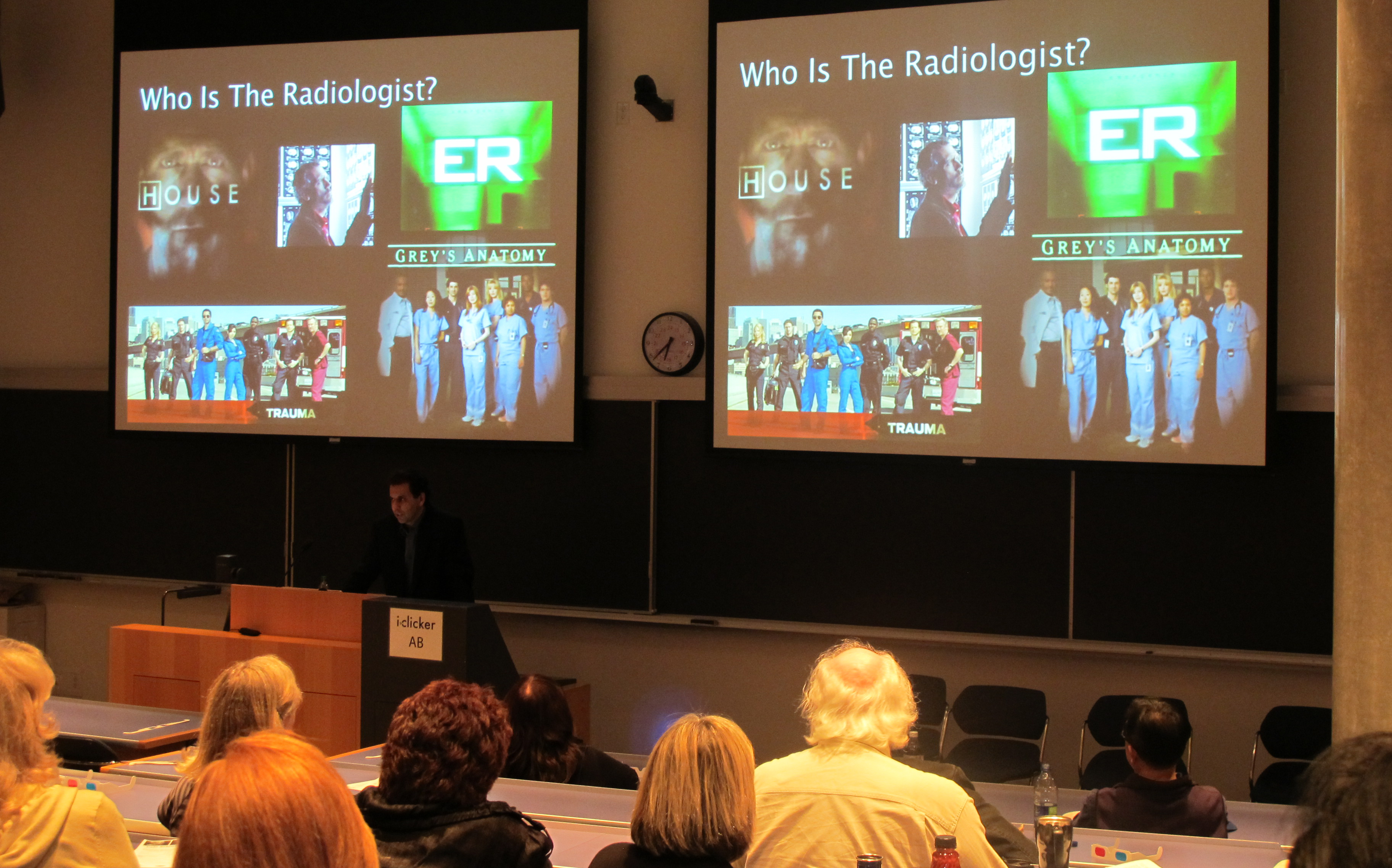
“What is personalized medicine and how does it affect you?”

LSI Public Talks 048

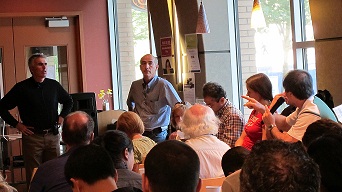
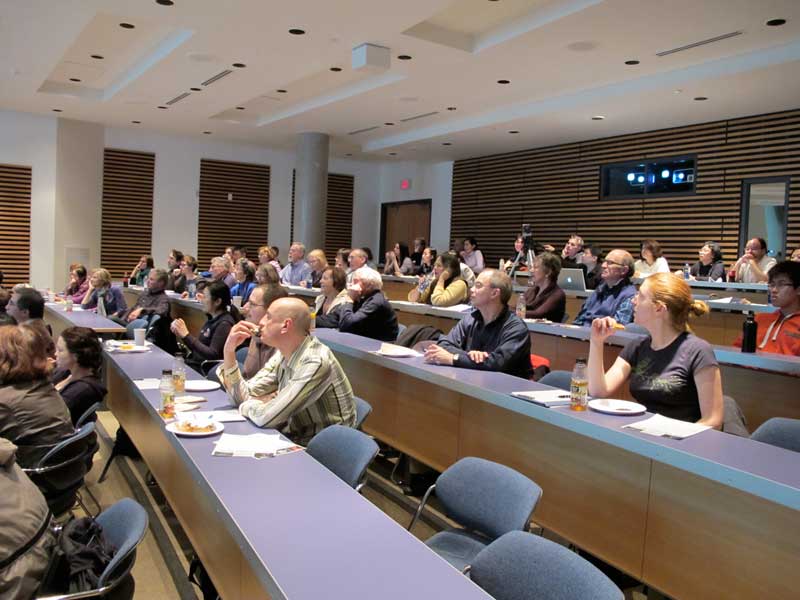
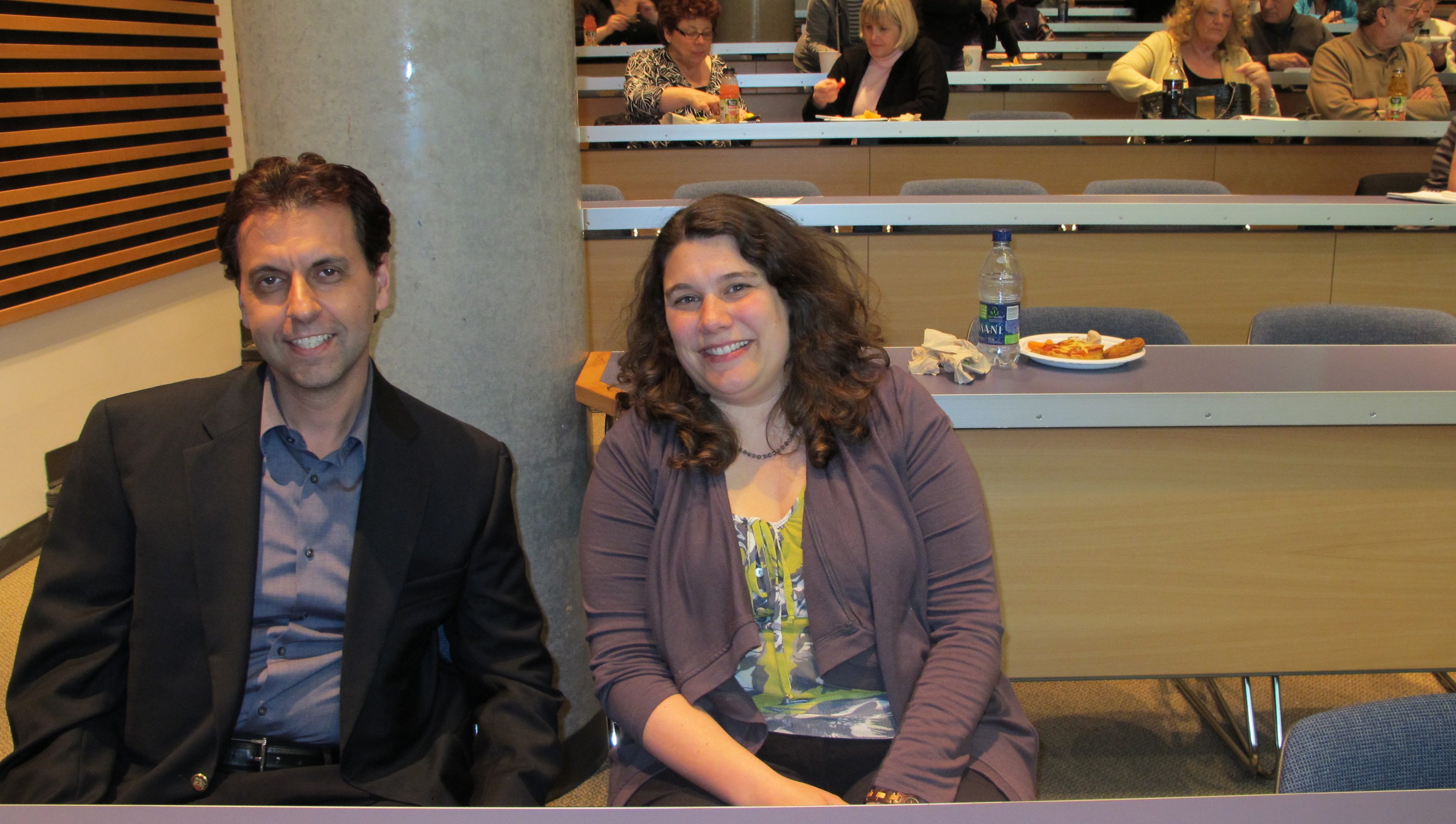
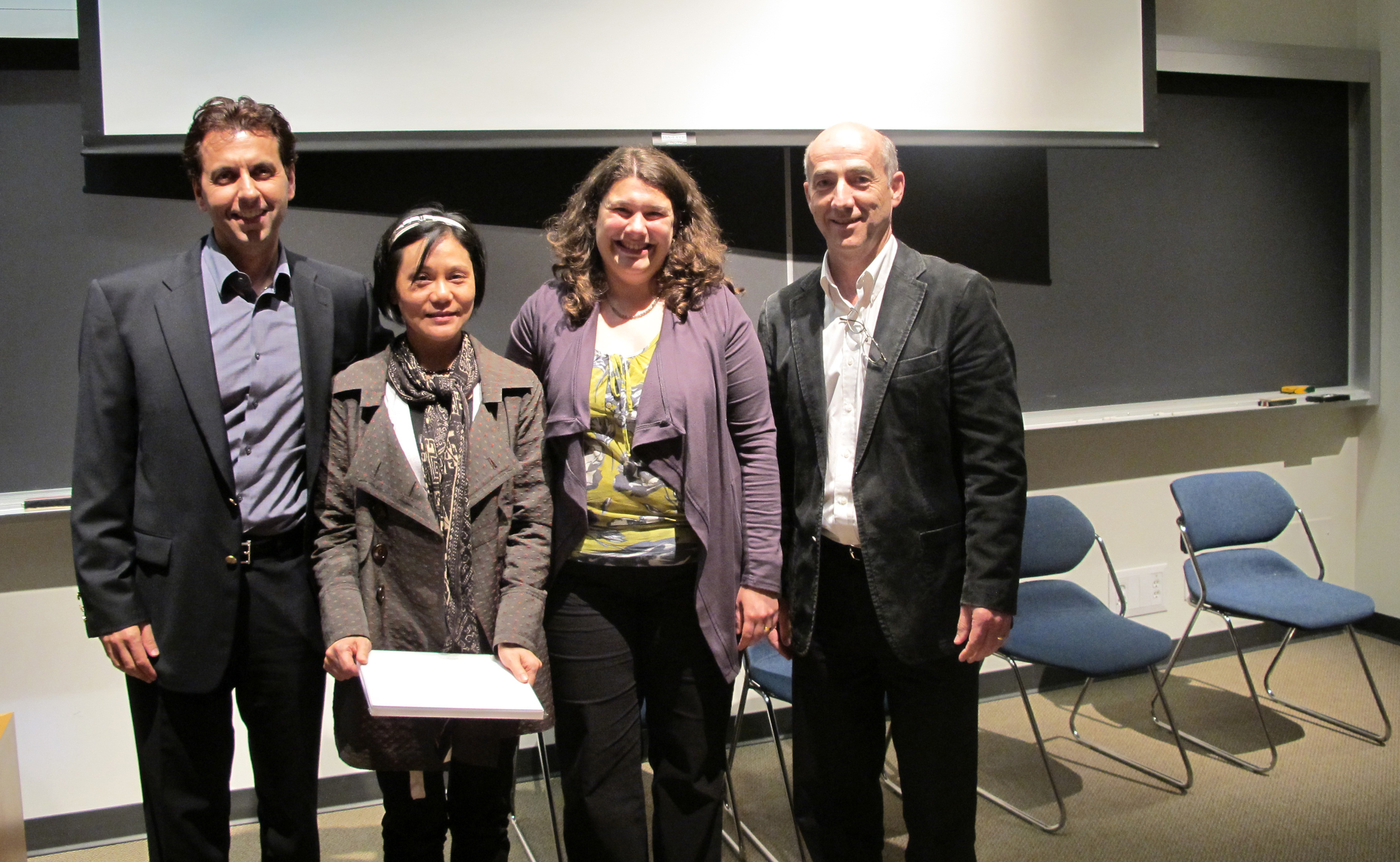
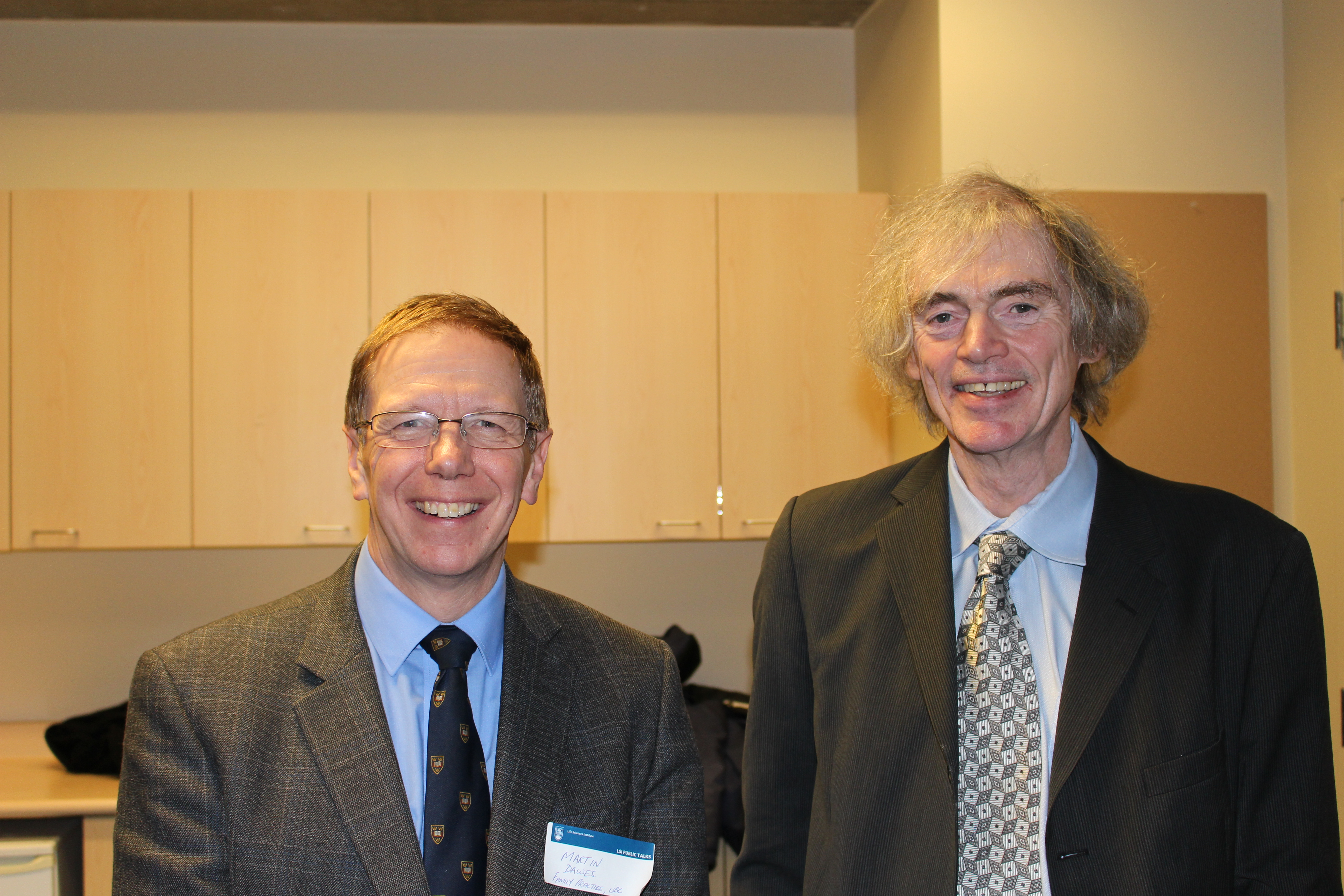
Drs. Martin Dawes and Pieter Cullis

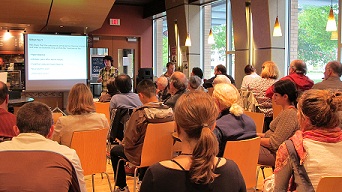
The Life Sciences Institute (LSI), led by Dr. Pieter Cullis (Professor & Director of the Life Sciences Institute, UBC), is playing a pivotal role in enabling personalized medicine in BC. Personalized medicine is using a tailored approach to preventative and curative healthcare based on the unique molecular profiling of the individual and their disease.  Molecular profiling, or “Omics,” includes the detail recording and annotating of one’s genome, proteins, metabolites, and microbial fauna that together provides highly predictive and accurate insight into the individual’s health status and disease mechanism.  Personalized medicine has many benefits over current health care practice by using better methods to predict, diagnose, treat and prevent disease.  It will improve health care delivery, efficiency, and reduce per capital healthcare costs by improving preventative care and reducing adverse drug reactions.  The demand for increased safety and drug efficacy, where 50% of prescribed drugs don’t work because of patients’ genetic diversity, coupled with the potential healthcare savings and increasingly inexpensive molecular profiling are driving the need for personalized medicine.

The LSI conducts fundamental research into the biological understanding of various diseases and engages clinicians to translate this molecular understanding into bedside solutions for patients.  As such, Dr. Cullis is collaborating with Dr. Martin Dawes (Professor & Head of Department of Family Practice, UBC), the Lead on a BC personalized medicine project named GeneRx that aims to change family practice by introducing genetic tests to guide drug prescription.  Affordable genetic tests for commonly prescribed drugs (78 total) will revolutionize the efficiency and quality of care by enabling family medicine practitioners to predict whether a patient responds to certain drugs or not, so that the correct drug is given immediately instead of trial-and-error therapy that commonly leads to adverse drug reactions.  Furthermore, the GeneRx program will use an intuitive graphical interface to report the synthesis of information from the patient’s genetic tests and their electronic medical record to guide clinicians and support their decision-making process. This system is now applied to a cohort of patients who are over the age of 65 and are taking over 10 drugs; the savings from this study will amount to $25 million per year. In the future, Dr. Dawes hopes to implement the GeneRx program to any clinical setting, especially emergency wards, and to expand the system to include more drugs and groups of patients (i.e. those with chronic diseases).

Photos of the event are available on our facebook page.
Research Day

Diabetes: Causes, Consequences and Cures?

Tuesday, January 26, 2010

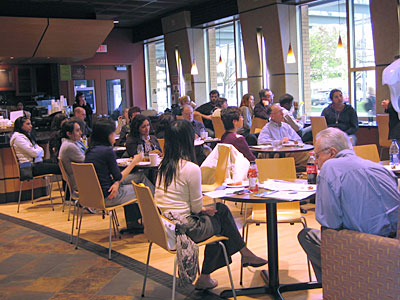
On January 26, 2010, the University of British Columbia Life Sciences Institute hosted the inaugural LSI Café Scientifique. Over 40 students, faculty, and interested community members gathered for an informal and participatory dialogue with UBC experts on the topic of “Diabetes: Causes, Consequences and Cures?” The venue, Café Perugia, provided the perfect setting for an opportunity to learn about the latest ideas and breakthroughs in life sciences research and technology in a relaxed and casual setting.

The Café featured members of the LSI Diabetes Research Group, who are studying both type 1 and type 2 diabetes. Professors Timothy Keefer and Suzanne Clee, both from the Department of Cellular & Physiological Sciences, provided an overview of current challenges and strategies that are being used to determine what causes diabetes and new treatments that are being explored. Professor Roger Brownsey, Head of the Department of Biochemistry & Molecular Biology, served as moderator.

Upcoming Café topics include Flu Pandemic and Cancer. The LSI Café Scientifique is co-sponsored by the Life Sciences Institute, CIHR, MSFHR, Faculty of Medicine Research Office and Café Perugia (UBC Food Services).

Inside the fight against the Flu pandemic

Tuesday, April 13, 2010

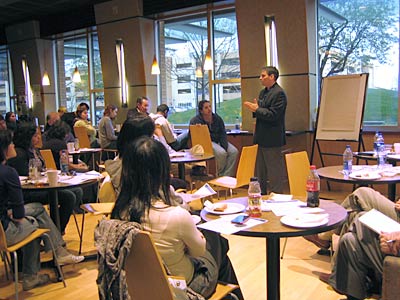
On April 13, 2010, the University of British Columbia Life Sciences Institute (LSI) hosted the second LSI Café Scientifique. Over 40 students, faculty, and interested community members gathered for an informal and participatory dialogue with UBC experts on the topic of “Inside the fight against the Flu pandemic”.

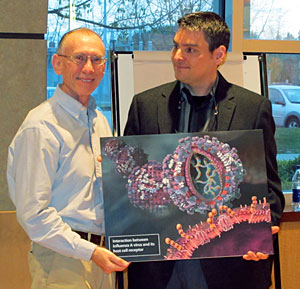
The Café featured members of the Facility for Infectious Disease and Epidemic Research (FINDER) and the interactive session was presented by Dr. Francois Jean, Scientific Director of FINDER. Additional comments were supplied by Dr. Sandra Deiderich, CIHR Post Doctoral Fellow. In light of the 2009 H1N1 Flu Pandemic, Drs. Jean and Deiderich, discussed the recent swine flu outbreaks and the research taking place at UBC and around the world to identify what makes these viruses unique and how we can prepare for the next pandemic. The session answered questions on the biology and evolution of the 2009 H1N1 virus and what drugs are being developed to combat the newly emerging drug-resistant Flu viruses. An artist’s rendition of a flu virus attaching to a cell was given away as a door prize to one member of the audience.

The LSI Café Scientifique is co-sponsored by the Life Sciences Institute, CIHR, MSFHR, Faculty of Medicine Research Office and Café Perugia (UBC Food Services). Upcoming Café topics include Cardiovascular Disease and Cancer.

Electrical Signaling in the Heart and Body: Understanding Cardiac Disease

On May 25, 2010, the University of British Columbia Life Sciences Institute (LSI) hosted the third LSI Café Scientifique. Over 40 students, faculty, and interested community members gathered for an informal and participatory dialogue with UBC experts on the topic of “Electrical Signaling in the Heart and Body: Understanding Cardiac Disease”.

The Café featured members of the Cardiovascular Research Group who are studying how the heart operates and how heart contraction is controlled. The interactive session was presented by Dr. Christopher Ahern, Assistant Professor in the Dept of Anesthesiology, Pharmacology and Therapeutics and the Dept of Cellular and Physiological Sciences. An additional presentation was given by Dr. Sebastian Brauchi who has been awarded the 2010-2011 LSI Visiting Scientist Award to work in the laboratory of Dr. Ahern in the Cardiovascular Research Group. Dr. Brauchi comes from Universidad Austrade de Chile and performed his post-doctoral studies at Harvard in the laboratory of Dr. David Clapham, a world leader in the field of ion channels. As the population ages, cardiac arrhythmias are on the rise, with a predicted doubling in the next 50 years. Drs. Ahern and Brauchi showed images of their research, discussed their findings and answered questions about the mechanisms governing electrical signaling in the body and how research at the LSI is helping understand and treat this growing health problem. An artist’s rendition of the “Ryanodine Receptor”, the largest ion channel currently known, was supplied by Dr. Filip Van Petegem, another researcher in the Cardiovascular group and this image was given away as a door prize to one member of the audience. Dr. Van Petegem also provided an overview of his ion channel research in a poster presentation.

The LSI Café Scientifique is co-sponsored by the Life Sciences Institute, CIHR, MSFHR, Faculty of Medicine Research Office and Café Perugia (UBC Food Services). Upcoming Café topics include one on the biology of cancer.

‘Fingerprinting’ Cancer for Personalized Medicine

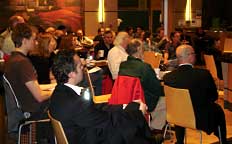
On August 10, 2010, the University of British Columbia Life Sciences Institute (LSI) hosted the fourth LSI Café Scientifique at the Cafe Perugia. Over 65 interested community members, students and faculty gathered for an informal and participatory dialogue with an LSI expert on the topic of “Fingerprinting” Cancer for Personalized Medicine.

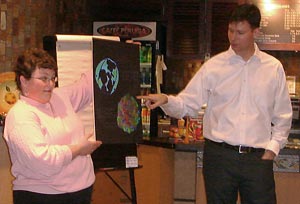
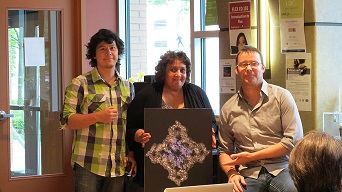
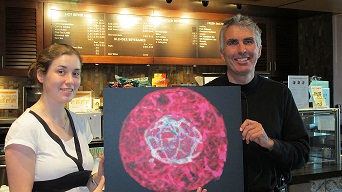
The Café featured Dr. Calvin Roskelley, leader of the LSI Cell and Developmental Biology Research Group, Director of Solid Tumor Progression Unit and Co-Acting Head & Associate Professor in the Department of Cellular and Physiological Sciences. The interactive session highlighted new approaches to cancer analysis and treatment using “genetic fingerprinting”, and how this is paving the way for “personalized” approaches to prevention, early diagnosis and treatment of cancer. Dr. Roskelley provided an overview of his research, discussed his group’s findings and answered questions about breast cancer and metastasis, how tumor formation is caused by cell growth and the breakdown of cellular architecture (‘destroying grape clusters’) and how different researchers at the LSI are making discoveries to understand and treat this serious health problem. Dr. Roskelley emphasized how continuing support from the Canadian Cancer Society throughout his time as a trainee and career as a research professor allowed him to study with renowned scientists in the cancer field and establish his lab at UBC. One of Dr. Roskelley’s microscopic images of a tissue-engineered mammary epithelial spheroid outside the body in a cultural dish (a.k.a. a ‘grape cluster’) was supplied by Dr. Roskelley and his lab trainees, and the image was given away as a door prize to one member of the audience.

The LSI Café Scientifique is co-sponsored by the Life Sciences Institute, CIHR, MSFHR, Faculty of Medicine Research Office, the Canadian Cancer Society and Café Perugia (UBC Food Services).

What can be done about antibiotic resistance?

Tuesday, November 16, 2010

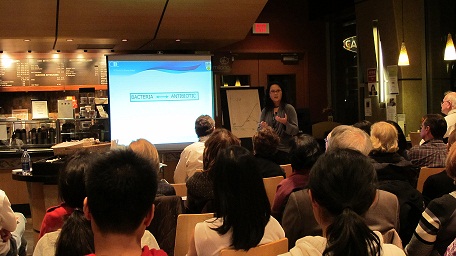
On November 16, 2010, the University of British Columbia Life Sciences Institute (LSI) hosted the fifth LSI Café Scientifique at the Cafe Perugia. Over 56 interested community members, students and faculty gathered for an informal and participatory dialogue with experts on the topic of “What can be done about antibiotic resistance?”

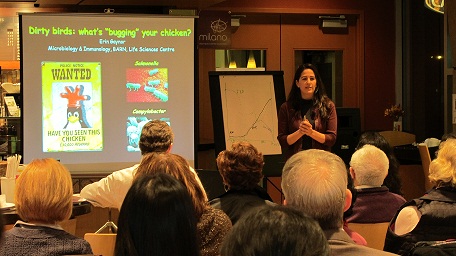
The Café featured members of the Bacterial Adaptation & Response Networks (BARN) and Chemical Biology of Disease (CBD) Research Groups who are studying and investigating how bacteria adapt and respond to their environment. The interactive session was presented by Dr. Julian Davies and Dr. Erin Gaynor of Department of Microbiology & Immunology. An additional presentation was given by Dr. Linda Hoang, Medical Microbiologist, Program Head of Bacteriology & Mycology at the BC Centre for Disease Control, Public Health Microbiology & Reference Laboratory of Provincial Health Services Authority.

Antibiotics have been successful in curing many infectious diseases over the past 60 years. However, antibiotic resistance is increasing rapidly and there is concern that we are approaching the end of the era of antibiotic effectiveness. This impacts all bacterial diseases, from deadly infection caused by MRSA and tuberculosis to serious illness you can acquire from common foods. Drs. Davies and Gaynor highlighted and answered questions concerning the rise in multi-antibiotic resistance in recent times and the mechanisms of resistance.

Dr. Gaynor discussed the problem of human infection by Campylobacter carried in chickens and how this impacts human health, as well as tracking resistance and improving public education. Dr. Hoang gave a brief overview of how bacteria are recovered from patient samples, how susceptibility profiles are generated from the methods in place and presented a summary of provincial findings.

Two mounted photomicrographs, entitled “StreptoArt” and “Planet Microbe” were supplied by Dr. Davies of the CBD Research Group, were given away as door prizes to two members of the audience. Dr. William Mohn, Professor of the Department of Microbiology & Immunology, BARN Research Group Leader, served as moderator.

The LSI Café Scientifique is co-sponsored by the Life Sciences Institute (LSI), CIHR, MSFHR, Faculty of Medicine Research Office, and Café Perugia (UBC Food Services).

Memories in your Genes?

On March 29, 2011, the Life Sciences Institute (LSI) at the University of British Columbia hosted the sixth LSI Café Scientifique. A record number of over 75 interested community members, students and faculty gathered for an informal and participatory dialogue with LSI experts on the topic of “Memories in your Genes?”

The Café featured members of the Molecular Epigenetics Research Group who are studying epigenetic gene regulation. The interactive session was presented by Dr. Carolyn Brown, Professor and Head of the Department of Medical Genetics; Dr. Louis Lefebvre, Assistant Professor in Department of Medical Genetics; and Dr. LeAnn Howe, Associate Professor in Department of Biochemistry and Molecular Biology.

There are the some 3 billion basepairs of DNA in each cell of your body, yet cells remember how they have been instructed to act – make an eye or make a kidney. Epigenetics is the study of the identifying marks that are placed on the packaged DNA that are passed on through cell divisions – and sometimes even through generations.

Dr. Brown started the presentation with a brief introduction of terminology and gave an overview of how genes inherit instructions. Drs. Howe, Lefebvre and Brown then presented their epigenetic research stories.

Dr. Howe discussed how HATs (histone acetyltransferases) make the genes stand out in a crowd and how histone acetylation is preserved through DNA replication. Dr. Lefebvre gave an overview of maternal and paternal genes, how the genetic information is written in the DNA molecule, the characteristic number of chromosomes in the cells, maintenance of methylation marks at replication and how some genes become imprinted during evolution. Dr. Brown gave answers to why calico cats are almost always female and demonstrated how the calico cat gets its spots.

A mounted image entitled “Activity of an imprinted gene in a germ cell, the oocyte”, supplied by Dr. Lefebvre, was given away as the door prize to one of the member of the audience.

The LSI Café Scientifique is co-sponsored by the Life Sciences Institute (LSI), Michael Smith Foundation for Health Research (MSFHR), Faculty of Medicine Research Office, Faculty of Science and Café Perugia (UBC Food Services).

The next Café Scientific is entitled “E-natomy – How digital anatomy has changed the way we teach and practice medicine” and will take place on May 17th at 6PM. Other future topics include discussions on how streamlining drug development is important, the innovations in safe blood products and blood substitutes, and brain development.


Introduction by Dr. Carolyn Brown

“How HATs make your genes stand out in crowd”
by Dr. LeAnn Howe

“How mom and dad contribute differently to your epigenome”
by Dr. Louis Lefebvre

“Why calico cats are always female”
by Dr. Carolyn Brown

E-natomy – How digital anatomy has changed the way we teach and practice medicine.

On May 17, 2011, the Life Sciences Institute (LSI) at the University of British Columbia hosted the seventh LSI Café Scientifique. Over 50 interested community members, as well as students and faculty gathered for an informal and participatory dialogue with experts on the topic of “E-natomy – How digital anatomy has changed the way we teach and practice medicine?”. The Cafes are sponsored by the LSI, The Michael Smith Foundation for Health Research, the Faculties of Medicine and Science and Café Perugia (UBC Food Services).

This Café featured two members of the Faculty of Medicine who use digital anatomy in teaching medical students and in clinical practice. This interactive session was presented by Dr. Claudia Krebs, a Senior Instructor in the Department of Cellular & Physiological Sciences, and Dr. Savvas Nicolaou, Associate Professor and Director of Emergency Radiology, practicing at the Vancouver General Hospital. Drs. Krebs and Nicolaou each explained how the advances in whole body imaging have changed the way students learn anatomy and how patients are treated in the ER. Real-life examples of digital anatomy’s role in teaching as well as in practice were shown and the power of CT scans, MRIs and ultrasound scans compared with traditional x-rays was explained.

New techniques in medical imaging have made it possible to look inside the human body with great precision and with less invasiveness in order to diagnose pathologies that in the past could only be seen with surgical exploration. Learning human anatomy using cadaveric dissection supplemented with x-ray, ultrasound, CT and MRI images allows the physicians of tomorrow to have a better understanding of the 3-dimensional organization of the human musculoskeletal and circulatory systems, internal organs and nervous system. Teaching these new skills in medical school is required to train the modern physician to effectively utilize imaging modalities and interpret pathologies in the clinic today.

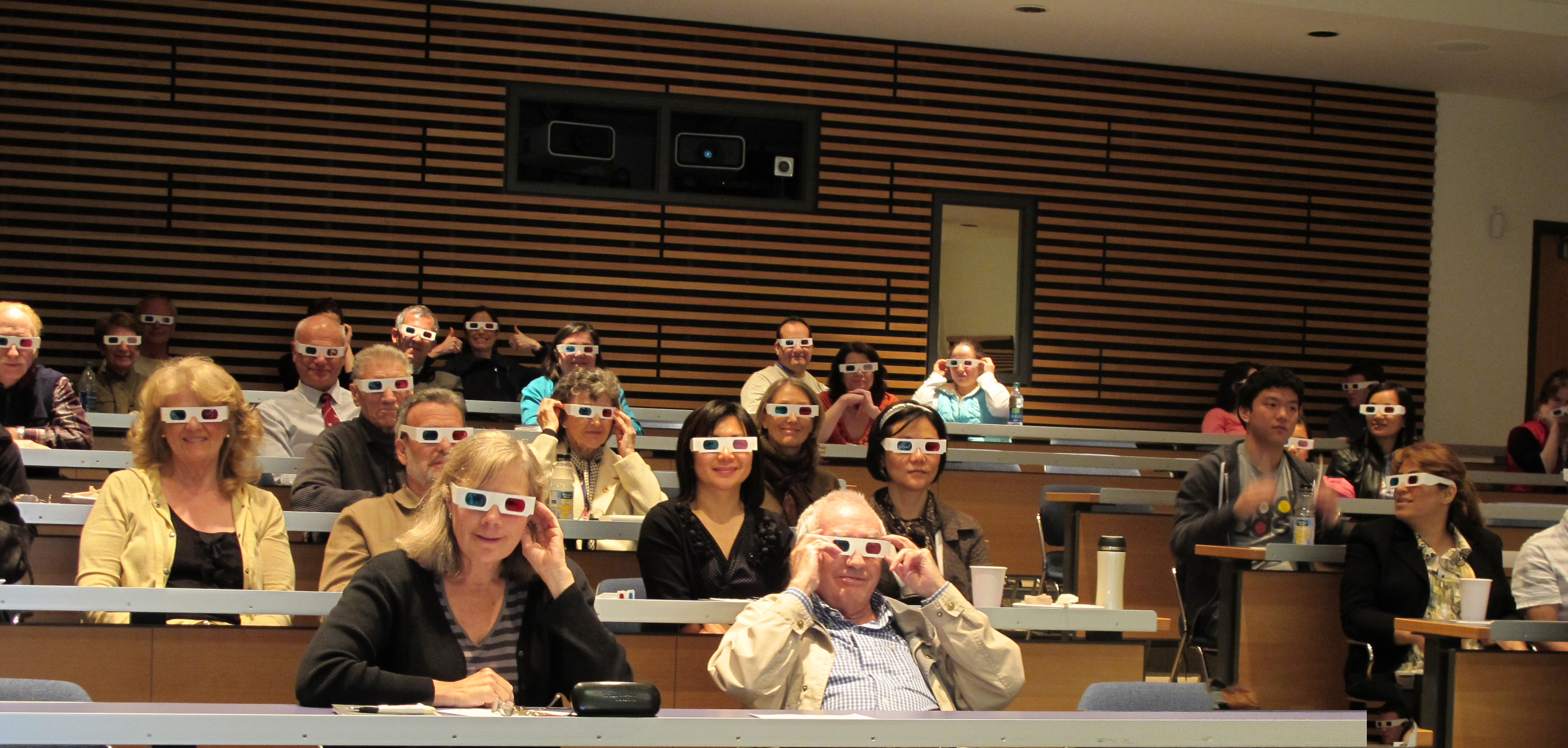
The session was highly interactive and visually entertaining; the presentations included 3D images of the human pelvis, rotating in space which the audience was able to view with 3D glasses. The audience also viewed several staged videos where the power of CT scanning in the Emergency room could be seen as an important diagnostic tool to guide the ER staff in the timely treatment of patients, and in saving lives.

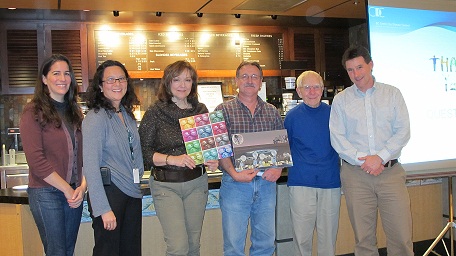
The door prize awarded to a member of the audience was a copy of the photobook created by Dr. Claudia Krebs with the assistance of Monika Fejtek. This photobook contained digitized images of the original anatomical artwork of the artist Nan Cheney. This collection of pen and ink drawings is an asset of the original Dept of Anatomy at UBC (now called the Dept of Cellular and Physiological Sciences).

Nan Gertrude Lawson Cheney (1897-1985), a contemporary of Emily Carr, was born in Windsor, Nova Scotia and moved to Vancouver in 1937 where she became a well-known portrait and landscape painter. Nan Cheney was also a medical illustrator in the Department of Anatomy at UBC from 1951 to 1956, and continued to work as a medical illustrator until her retirement in 1962. The Department of Cellular and Physiological Sciences currently owns over fifty original works of art by Nan Cheney some of which are exhibited in four glass cases in the main colonnade of the Life Sciences Centre. Each of the works was created from an anatomical dissection done by a staff member in the Department of Anatomy during that time. The Nan Cheney photobook was created to highlight the collection that is displayed in the Colonnade.


Seeing is Believing Part 1, The Universe Within – Seeing how cells move and interact.

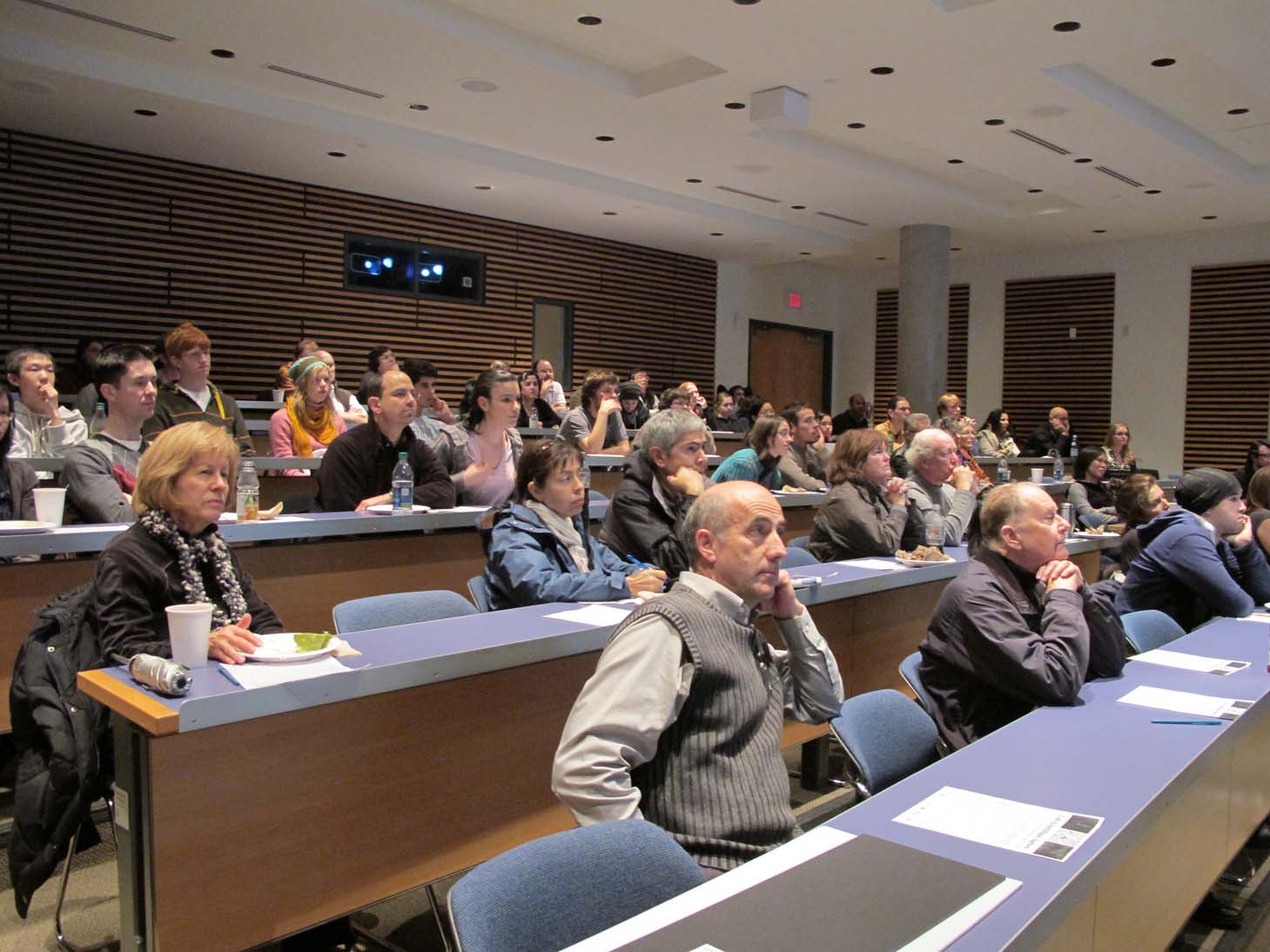
On November 21, 2011, the Life Sciences Institute (LSI) at the University of British Columbia hosted the 8th LSI Café Scientifique. A record number of over 60 interested community members, students and faculty gathered for an informal and participatory dialogue with LSI experts for the first session of the “Seeing Is Believing” series. The particular topic of the session was “Imaging the Developing and Aging Brain”.

The Café featured members of the Cell and Developmental Biology Research Group and the Brain Research Centre who discussed state-of-the-art imaging and genetic technologies and how these are being used to understand how brain networks form and function. The interactive session was presented by Drs. Kurt Haas, Shernaz Bamji and Douglas Allan, all from the Department of Cellular and Physiological Sciences.

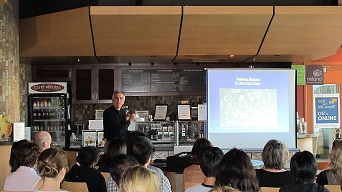
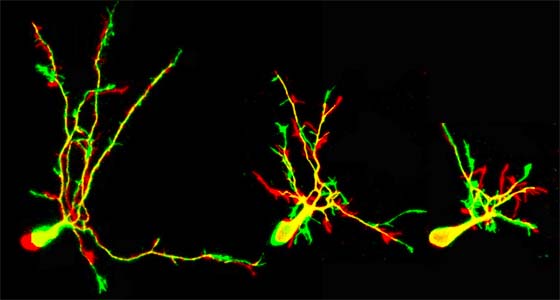
Dr. Kurt Haas started the presentation with a brief introduction to neuroscience research and how innovations in imaging technologies have enabled us to peer into the living brain. He discussed his own research using direct imaging of the growth of neurons in the developing brain of tadpoles. Dr. Haas showed movies of these cells dynamically extending and retracting branches as they seek other cells to form neural circuits. He discussed the complexities of this process and how errors in brain cell growth and connectivity can lead to common neurodevelopmental disorders like Autism, Schizophrenia, and Epilepsy.

Dr. Shernaz Bamji discussed how nerve cells communicate at specialized junctions called “synapses” and how advances in imaging and cell culture technologies have enabled researchers to track the movement of proteins and to watch as synapses form and function. She further discussed how altering the state of adhesion at synapses could lead to abnormalities in learning and memory that may underlie disorders such as Huntington’s and Alzheimer’s diseases.

Dr. Douglas Allan gave an overview of recent advances in molecular genetic technologies that are used to image and manipulate gene expression in select populations of neurons in the brain. He discussed the techniques of transgenesis, and showed how DNA that had previously been known as junk DNA is in fact used to regulate gene expression and can be used to express fluorescent proteins in specific types of neurons. Finally, he discussed the use of multiple fluorescent proteins and DNA-manipulating enzymes to generate multi-coloured neuronal tissues that can be used to map brain circuits.

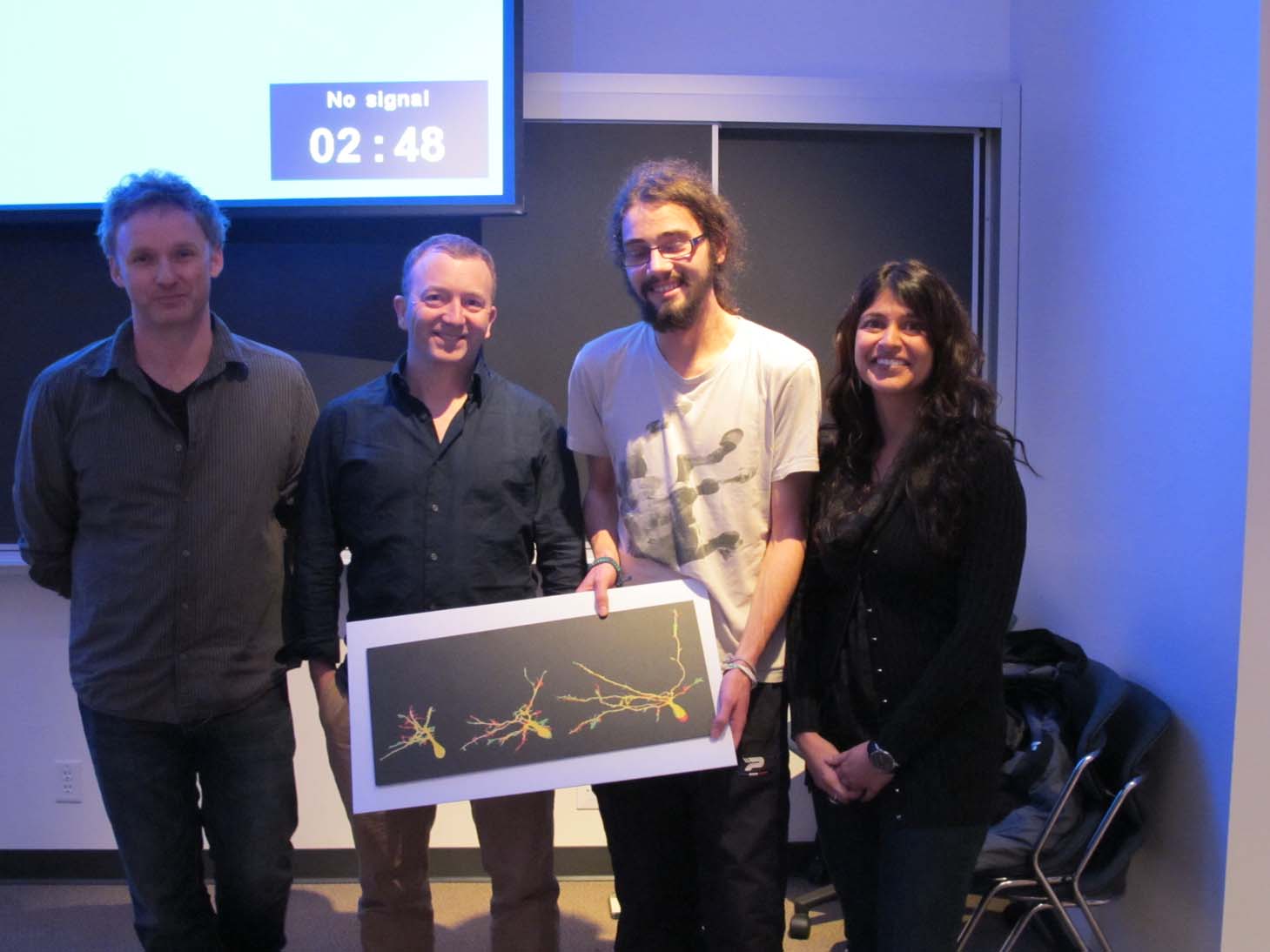
A mounted image entitled “Growth of a Brain Neuron”, supplied by Dr. Haas, was given away as the door prize to a member of the audience.

The LSI Café Scientifique is co-sponsored by the Life Sciences Institute (LSI), Michael Smith Foundation for Health Research (MSFHR), Faculty of Medicine Research Office, Faculty of Science, Leica Microsystems, Systems for Research and Café Perugia (UBC Food Services).

The next Café Scientific that will continue the “Seeing is Believing” series will take place in early 2012.

To view more pictures from the event, please visit our facebook page.
Seeing is Believing by Dr. Kurt Haas

Seeing is believing by Dr. Shernaz Bamji

Seeing is believing by Dr. Doug Allan